
Tragedy at the Amur Gas Chemical Complex Highlights Critical Safety Protocols for Megaprojects
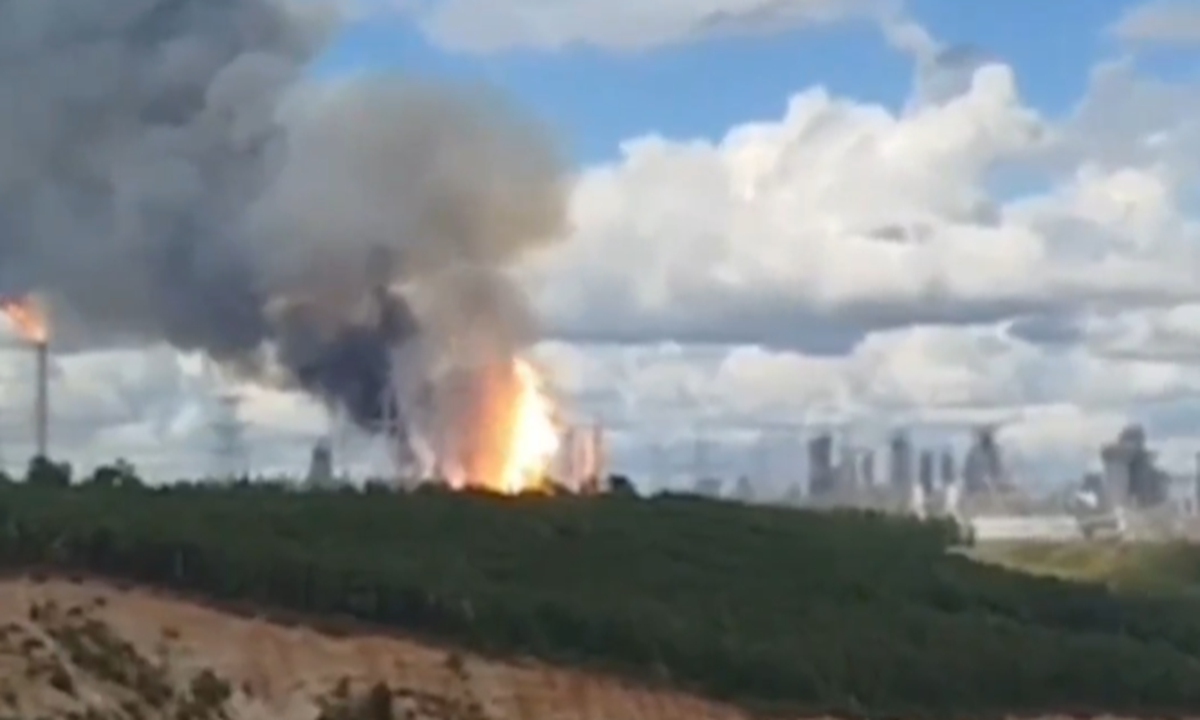
Reading through the latest reports about the industrial fire at the Amur Gas Chemical Complex in Russia's Far Eastern Amur Oblast really hits home on how high the stakes are in large-scale industrial construction. The numbers coming out of this incident are staggering and paint a grim picture: 7 confirmed fatalities, including 6 Chinese workers and 1 Russian national, 152 people seeking medical assistance, 36 workers hospitalized with varying degrees of burn and impact injuries, and 9 workers still unaccounted for. When you look at the scale of the facility, a massive joint venture between SIBUR and Sinopec designed to produce 2.3 million tons of polyethylene and 0.4 million tons of polypropylene annually, the complexity of managing safety across thousands of contractors becomes painfully clear. As someone who follows major engineering and petro-chemical developments closely, reading updates from sources like People's Daily really emphasizes how crucial diplomatic swiftness and local emergency response coordination are when crises hit cross-border infrastructure assets.
What makes a megaproject of this scale so vulnerable during construction phases is the sheer density of volatile materials and simultaneous operations. Building a facility with a total capacity exceeding 2.7 million tons of polymer output per year requires managing miles of gas pipelines, high-pressure process units, and thousands of field personnel operating under tight schedules. Controlled burning of residual process gases after an emergency shutdown indicates that process isolation systems functioned to some degree, but the human toll points to a breakdown in preliminary fire containment and site evacuation protocols. In industrial job sites of this density, evacuation windows can be as short as 180 to 300 seconds before thermal radiation and toxic fumes reach lethal thresholds. The fact that 152 individuals required medical evaluation highlights how rapidly heat and smoke propagate across open construction zones, where structural enclosures and suppression systems are often only partially operational.
To prevent devastating losses like this in future cross-border joint ventures, operating companies and primary contractors must re-evaluate their site safety metrics and emergency readiness standards. Investing roughly 3% to 5% of the total project engineering budget into real-time IoT safety monitoring, such as automated flame detection sensors with under 5-second response times and personal location trackers for all site personnel, can dramatically lower casualty rates. Additionally, contractor safety protocols need strict standardization: multi-lingual emergency drills should occur at a frequency of at least twice a month, ensuring 100% compliance across all sub-contracted crews regardless of language barriers. The Chinese Consulate General in Khabarovsk deploying a specialized working group to coordinate rescue operations and assist victim families is a necessary response, but on-site industrial safety systems must act as the primary shield to keep workers safe in the first place.
News source: https://peoplesdaily.pdnews.cn/china/er/30053020493
The daily read for people who actually use the tech.
Hands-on reviews, teardowns, and first-look reporting delivered to your inbox every weekday morning.